
By Minimally Invasive Specialists of Texas
Introduction: A New Era in Medical Care
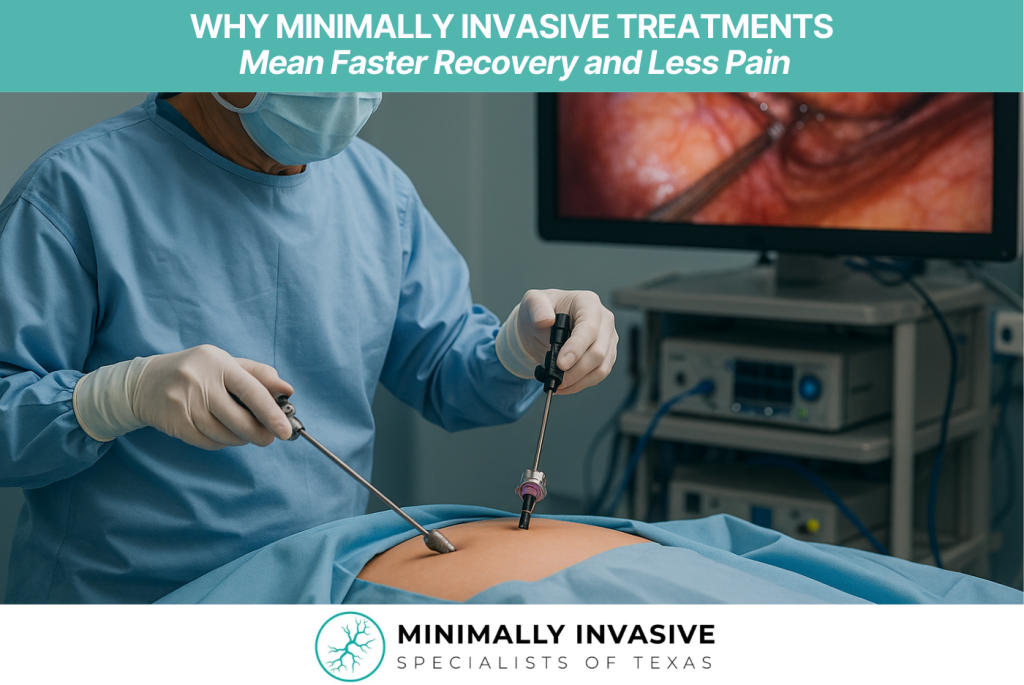
Modern medicine is evolving beyond large incisions and lengthy hospital stays. Minimally invasive treatments use advanced imaging, tiny instruments, and precise techniques to address complex conditions with far less trauma to the body. At Minimally Invasive Specialists of Texas, we specialize in these cutting-edge procedures so our patients can heal faster, experience less pain, and return to normal life sooner.
What Are Minimally Invasive Treatments?
Minimally invasive procedures are techniques performed through small incisions or even through the skin using catheters and imaging guidance. Examples include:
- Interventional Radiology (IR): Uses X-ray, ultrasound, or CT to guide catheters to treat issues such as blocked blood vessels or tumors.
- Endovascular Procedures: Treating vascular disease without open surgery.
- Image-Guided Pain Management: Delivering targeted therapy for chronic pain.
Because the body endures less physical disruption, patients typically enjoy shorter recovery times and reduced post-operative discomfort.
Key Benefits
- Faster Recovery: Many patients return to daily activities within days instead of weeks.
- Less Pain and Scarring: Smaller incisions mean less tissue damage and fewer stitches.
- Lower Risk of Complications: Reduced blood loss, lower infection risk, and shorter hospital stays.
- Outpatient Convenience: Many treatments are performed in our state-of-the-art outpatient center.
Comprehensive Q&A
Q: How do minimally invasive procedures differ from traditional surgery?
A: Traditional surgery often requires large incisions and general anesthesia. Minimally invasive treatments use small entry points and imaging guidance, reducing trauma and recovery time.
Q: Are these procedures safe?
A: Yes. Minimally invasive treatments are backed by extensive research and are performed by highly trained interventional radiologists using the latest technology.
Q: Will I need general anesthesia?
A: Most procedures require only local anesthesia and mild sedation, lowering risks and allowing faster discharge.
Q: How long is the recovery period?
A: Recovery varies, but many patients return to normal activities within a few days, compared to weeks for open surgery.
Q: What conditions can be treated this way?
A: Common conditions include varicose veins, uterine fibroids, enlarged prostate (BPH), vascular blockages, chronic pain, and certain types of fractures.
Q: Is it covered by insurance?
A: Most major insurance plans cover medically necessary minimally invasive procedures. Our team will help verify your coverage and handle paperwork.
Why Choose Minimally Invasive Specialists of Texas?
Our Pasadena practice is dedicated to delivering advanced care with a personal touch. From your first consultation to your follow-up visit, our board-certified specialists ensure you receive compassionate, patient-centered treatment that prioritizes safety, comfort, and excellent outcomes.
Contact Us
Minimally Invasive Specialists of Texas
4003 Woodlawn Ave
Pasadena, TX 77504
Phone: (832) 583-2246
Call today to schedule a consultation and discover how minimally invasive treatments can help you heal faster and feel better.