
Varicose Vein Treatment & Chronic Venous Disease Care in
At Minimally Invasive Specialists of Texas, our interventional radiology specialists provide advanced, minimally invasive treatment for varicose veins and chronic venous disease. Whether you are experiencing leg pain, swelling, heaviness, or visible twisted veins, our team offers proven solutions to relieve your symptoms and restore healthy circulation — without surgery. Call (832) 583-2246 - Pasadena Office , (832) 583-2246 - Baytown Office or (832) 583-2246 - Clear Lake Office to schedule your consultation in .
What Are Varicose Veins?
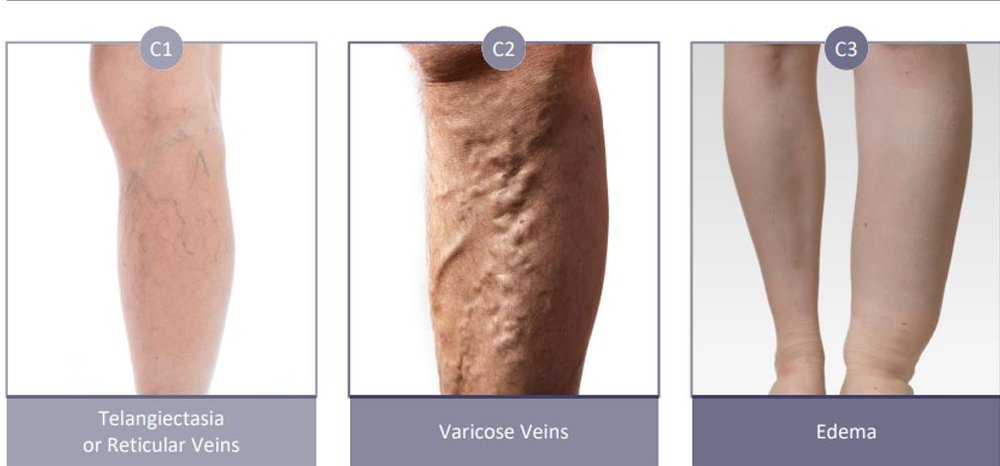
Varicose veins are enlarged, twisted, and often bulging veins that most commonly develop in the legs and feet. They appear blue, purple, or dark red beneath the skin and are caused by a failure of the one-way valves inside the veins that normally keep blood flowing toward the heart. When these valves weaken or become damaged, blood pools in the vein, causing it to stretch, bulge, and become visible through the skin.
Varicose veins are extremely common — affecting an estimated 23% of adults in the United States — and range from a purely cosmetic concern to a source of significant physical discomfort and medical complications. Many patients report aching, heaviness, throbbing, cramping, or itching around the affected veins, particularly after prolonged standing or sitting. Left untreated, varicose veins can progress and lead to more serious conditions.
What Causes Varicose Veins?
Varicose veins develop when the walls and valves of the veins in the legs weaken over time. Several factors are known to increase a person’s risk of developing varicose veins, including:
- Genetics: A family history of varicose veins significantly increases your risk.
- Age: Vein walls and valves naturally lose elasticity and strength as we age.
- Pregnancy: Increased blood volume and pressure on pelvic veins during pregnancy commonly trigger varicose veins. Women who have had multiple pregnancies are at higher risk.
- Obesity: Excess body weight adds pressure to the veins in the legs, accelerating valve damage.
- Prolonged standing or sitting: Occupations or lifestyles that require long periods of being stationary impair blood flow and increase venous pressure.
- Gender: Women are more likely to develop varicose veins due to hormonal changes during pregnancy, menstruation, and menopause.
If you are experiencing symptoms or notice visible varicose veins, contact Minimally Invasive Specialists of Texas at (832) 583-2246 - Pasadena Office , (832) 583-2246 - Baytown Office or (832) 583-2246 - Clear Lake Office to discuss your treatment options in .
Why Should Varicose Veins Be Treated?
While some patients seek treatment for cosmetic reasons, varicose veins can also cause real physical symptoms and, if left untreated, lead to serious medical complications. Reasons to seek treatment include:
- Symptom relief: Treatment effectively eliminates pain, aching, swelling, leg heaviness, and fatigue associated with varicose veins.
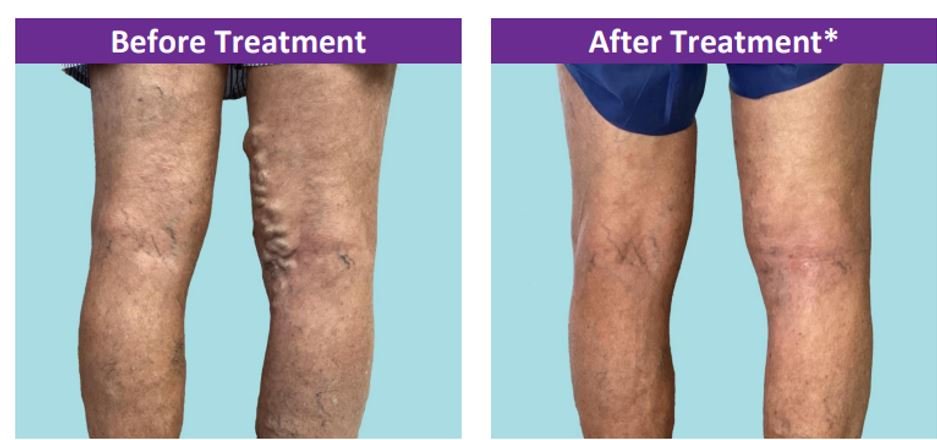
- Improved appearance: Closing off diseased veins restores a smoother, healthier appearance to the legs.
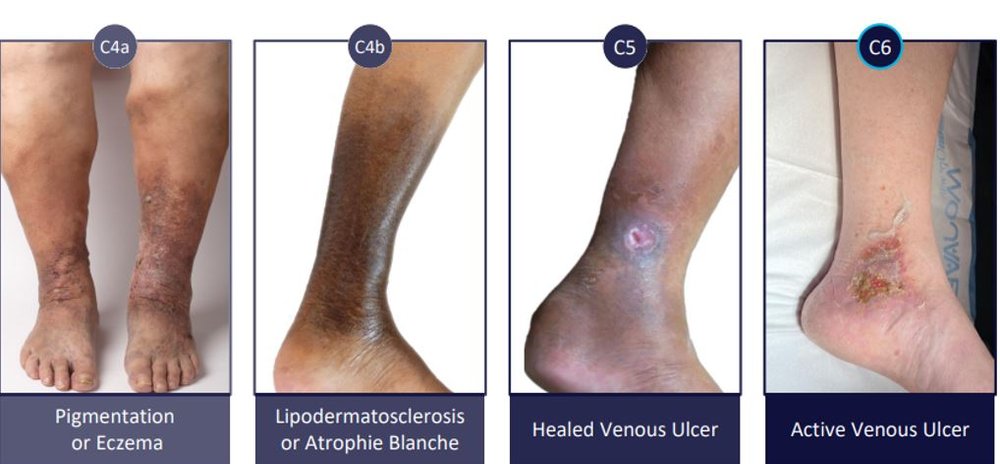
- Prevention of complications: Untreated varicose veins can progress to chronic venous insufficiency, skin changes, venous ulcers, and an increased risk of deep vein thrombosis (DVT).
- Better quality of life: Many patients report dramatically improved mobility and comfort following treatment, allowing them to return to activities they had been avoiding.
What Is Vein Ablation?
Vein ablation is a minimally invasive, office-based procedure that uses targeted thermal energy — either laser (EVLT) or radiofrequency (RFA) — to close off diseased varicose veins from the inside. Once the treated vein is sealed shut, blood is naturally redirected to surrounding healthy veins, restoring proper circulation in the leg.
Vein ablation is not a new procedure — it has been performed since the early 2000s and is now considered the gold standard treatment for varicose veins, supported by extensive clinical research and peer-reviewed studies. Numerous studies demonstrate that vein ablation produces significant and lasting improvements in symptoms, appearance, and overall quality of life, with low rates of recurrence compared to older surgical techniques.
How Is Vein Ablation Different From Surgery?
Traditional surgical treatment for varicose veins — known as vein stripping — required general anesthesia, surgical incisions, and a prolonged recovery period. Vein ablation at Minimally Invasive Specialists of Texas is a far less invasive alternative that offers significant advantages:
- No general anesthesia: The procedure is performed under local anesthesia only, reducing risk and allowing patients to remain awake and comfortable.
- No surgical incisions: A thin catheter is inserted through a small puncture in the skin — no cutting, no stitches, and no large scars.
- Outpatient procedure: Patients go home the same day, typically within an hour or two of arrival.
- Rapid recovery: Most patients return to light daily activities within a day or two, compared to weeks of recovery following traditional vein surgery.
- Highly effective: Clinical success rates for thermal vein ablation exceed 95% in most published studies.
Is the Procedure Painful? What Is Recovery Like?
Most patients at Minimally Invasive Specialists of Texas experience only minimal discomfort during vein ablation. Local anesthetic is injected around the vein prior to treatment, which numbs the area effectively. You may feel mild pressure or warmth during the procedure, but significant pain is uncommon.
Following the procedure, some soreness, bruising, or tightness along the treated vein is normal and typically resolves within one to two weeks. Patients are encouraged to walk immediately after treatment and resume light activities within a day or two. Compression stockings are worn for a short period post-procedure to support healing and optimize results. Strenuous exercise and prolonged standing should be avoided for a brief period as directed by your care team.
What Are the Alternatives to Vein Ablation?
While vein ablation is our primary treatment approach for larger varicose veins, Minimally Invasive Specialists of Texas offers a comprehensive range of venous treatment options tailored to your specific condition, including:
- Compression stockings: A conservative, non-invasive option that helps manage symptoms by improving circulation, though they do not eliminate the underlying vein.
- Sclerotherapy: A chemical injection treatment that causes smaller varicose veins or spider veins to collapse and fade. Often used in conjunction with ablation for comprehensive results.
- Microphlebectomy: A minor surgical technique used to remove surface varicose veins through tiny skin punctures, often performed alongside ablation.
- Traditional vein stripping: A surgical option that is rarely used today given the superior outcomes and lower risk profile of modern minimally invasive techniques.
Our team will evaluate your veins with a vascular ultrasound and recommend the most effective treatment plan for your individual needs. We also manage related venous conditions such as pelvic congestion syndrome and deep venous thrombosis.
What Are the Risks and Potential Complications?
Vein ablation is a well-established procedure with an excellent safety profile. Risks are generally low but can include bruising, swelling, temporary skin discoloration, or minor skin irritation along the treated vein. In rare cases, more serious complications such as nerve irritation, skin burns, or deep vein thrombosis may occur. Our interventional radiology team at Minimally Invasive Specialists of Texas will thoroughly review all risks and benefits with you during your pre-procedure consultation and take every precaution to minimize your risk. Call us at (832) 583-2246 - Pasadena Office , (832) 583-2246 - Baytown Office or (832) 583-2246 - Clear Lake Office with any questions.
Frequently Asked Questions About Varicose Vein Treatment
Are varicose veins dangerous if left untreated?
In many cases varicose veins are primarily a cosmetic concern, but they can progress to more serious conditions if left untreated. Chronic venous insufficiency, skin discoloration, venous ulcers, and an increased risk of deep vein thrombosis are all potential complications of untreated varicose veins. If you are experiencing symptoms such as leg pain, swelling, or heaviness, we encourage you to contact Minimally Invasive Specialists of Texas at (832) 583-2246 - Pasadena Office , (832) 583-2246 - Baytown Office or (832) 583-2246 - Clear Lake Office for an evaluation in .
How do I know if I am a candidate for vein ablation?
Most patients with symptomatic varicose veins caused by underlying venous reflux are good candidates for vein ablation. Our team at Minimally Invasive Specialists of Texas will perform a thorough evaluation, including a vascular ultrasound, to map your veins and assess the extent of valve dysfunction before recommending treatment. Factors such as the size and location of the affected veins, your overall health, and your symptoms will all be considered.
Will my varicose veins come back after treatment?
Vein ablation permanently closes the treated vein, which will not reopen. However, new varicose veins can develop over time in other vessels, particularly if underlying risk factors such as genetics, obesity, or prolonged standing remain. Wearing compression stockings, maintaining a healthy weight, and staying active can all help reduce the likelihood of recurrence. Our team will discuss long-term prevention strategies with you following treatment.
Does insurance cover varicose vein treatment?
Many insurance plans — including Medicare — cover vein ablation when it is deemed medically necessary, meaning the varicose veins are causing symptoms such as pain, swelling, or skin changes. Coverage for purely cosmetic treatment may not be included. Our team at Minimally Invasive Specialists of Texas can help you understand your benefits and navigate the prior authorization process. Call us at (832) 583-2246 - Pasadena Office , (832) 583-2246 - Baytown Office or (832) 583-2246 - Clear Lake Office for assistance.
How long does a vein ablation procedure take?
A typical vein ablation procedure at Minimally Invasive Specialists of Texas takes approximately 45 to 90 minutes from start to finish, depending on the number and extent of veins being treated. The procedure is performed on an outpatient basis, and most patients are able to walk out of our office and return home shortly after treatment is complete.
Can varicose veins be related to pelvic congestion syndrome?
Yes — in some women, varicose veins in the legs or pelvic region can be associated with pelvic congestion syndrome, a condition caused by refluxing ovarian or pelvic veins. If you experience pelvic pain in addition to varicose veins, our interventional radiology team can evaluate whether pelvic venous insufficiency may be a contributing factor and discuss appropriate treatment options.
What should I do to prepare for my vein ablation procedure?
Prior to your procedure at Minimally Invasive Specialists of Texas, our team will provide you with specific preparation instructions. Generally, patients are asked to wear or bring compression stockings, stay well hydrated, avoid anti-inflammatory medications for a period before the procedure, and arrange for transportation home afterward. A pre-procedure vascular ultrasound will also be performed to map the veins and plan your treatment. Contact us at (832) 583-2246 - Pasadena Office , (832) 583-2246 - Baytown Office or (832) 583-2246 - Clear Lake Office with any questions.